
Can I Buy Before Selling My Current Home?

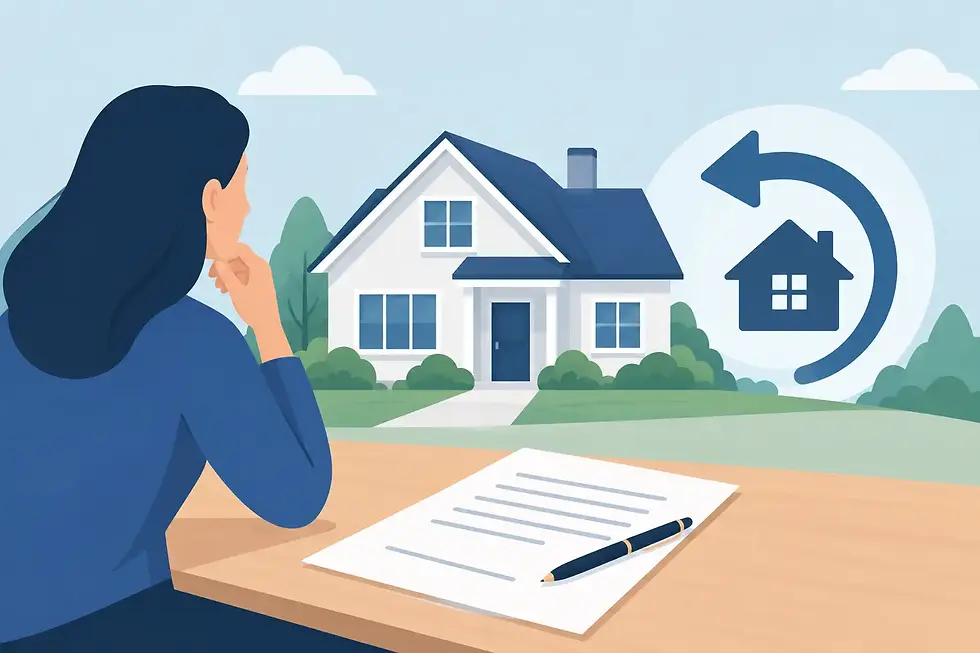
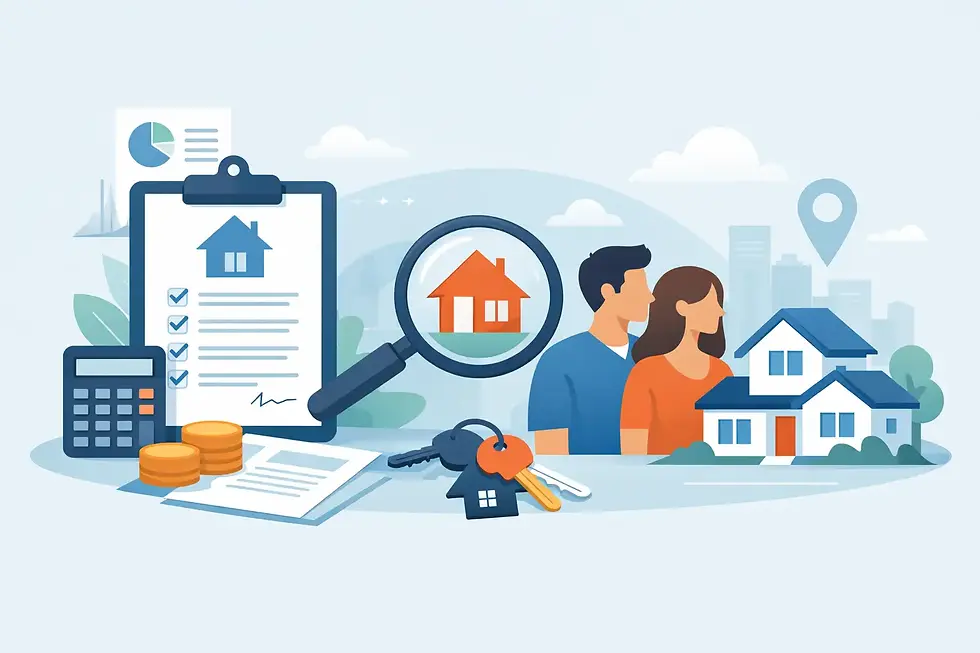
The question “can I buy before selling” usually comes up when you have found a home you truly want, but your current home is still part of the financial picture. The short answer is yes, sometimes. The better answer is that it depends on your cash, equity, monthly debt, local market conditions, and how much uncertainty you are comfortable carrying for a short period.
Buying first can give your move more breathing room. You may avoid temporary housing, multiple moves, or the pressure of making an offer after your belongings are already packed. But it can also mean taking on two housing payments or making an offer that a seller may see as less certain. A calm plan starts with understanding the options before you fall in love with a particular house.
Can I Buy Before Selling? Start With Your Financial Picture
The first question is not whether you can qualify for another mortgage in theory. It is whether buying before selling fits your budget if your current home takes longer to sell than expected.
A lender will look at your income, debts, credit, available funds, and the projected payment on the new home. In many cases, they will also count the payment on your current home until it is sold. That includes principal, interest, property taxes, insurance, and any HOA dues. If you can comfortably qualify while carrying both payments, your path may be more flexible.
Your available equity matters, too. Equity is the difference between what your home could sell for and what you still owe, after considering closing costs. If much of your down payment is tied up in your current home, you may need a way to access that equity before the sale closes.
It helps to run two sets of numbers: your best-case plan, where your home sells quickly at an expected price, and your conservative plan, where it takes longer or sells for less. The conservative plan is the one that protects your peace of mind.
Ways to Buy a Home Before You Sell Yours
There is no single best route. The right approach should match your financial capacity and your need for certainty.
Qualify While Carrying Both Mortgages
If your income and savings support both payments, you may buy your next home without making the purchase dependent on your current home selling. This can make your offer stronger because the seller does not need to wait for another transaction to close.
The trade-off is obvious: you could be responsible for two homes for a while. Before taking this route, decide how many months of overlapping payments you could manage without draining emergency savings or feeling forced to accept a low offer on your current property.
Use Savings for the Down Payment
Some homeowners have enough cash for a down payment and closing costs without using their current home equity first. This is often the simplest option because it avoids adding another loan or contingency to the purchase.
Still, do not put every available dollar into the new home. Moving expenses, repairs, appraisal gaps, insurance changes, and unexpected delays can all affect the final cost. Keeping a healthy reserve gives you more choices if your sale does not follow the original timeline.
Consider a Bridge Loan or Home Equity Loan
A bridge loan is short-term financing designed to help use your existing home equity before that home sells. A home equity loan or HELOC may also be an option for some homeowners. These tools can help fund a down payment, but they are not automatic solutions.
They add interest costs, fees, and another obligation. Approval requirements vary, and the lender will consider whether you can handle the payments. It is wise to compare the full cost, repayment terms, and risks with a trusted lender before relying on equity financing. A loan that makes the purchase possible should not make the months afterward unnecessarily stressful.
Make a Home Sale Contingent Offer
A home sale contingency means your offer to buy depends on selling your current home by an agreed deadline. It can protect you from owning two homes or being forced to find cash you do not have.
The downside is that sellers may prefer an offer without this condition, especially when several buyers are competing. A contingency can be more acceptable when your current home is already listed, properly priced, and receiving interest. If it is under contract, the offer may be stronger still, though the seller will likely want to know whether the buyer for your home has solid financing and few obstacles.
In Duval and St. Johns County, as in most markets, the strength of a contingent offer can change neighborhood by neighborhood and even week by week. Price range, inventory, and the seller’s timeline all shape the conversation.
Sell First and Request a Rent-Back
Selling before buying is the more conservative route, but it does not always mean you must move twice. You may be able to negotiate a post-closing occupancy agreement, often called a rent-back, that allows you to remain in your home for a set period after the sale.
This can give you time to close on your next home or search with the confidence of knowing exactly how much you have to spend. It requires clear terms around dates, insurance, deposits, and what happens if your next purchase is delayed. Not every buyer will agree to it, but it is worth discussing when timing is the biggest concern.
How to Make a Buy-First Plan Less Risky
Buying before selling is not just a financing decision. It is a timing decision, a pricing decision, and sometimes an emotional decision. The goal is not to eliminate every unknown. Real estate rarely works that way. The goal is to make sure one delay does not put you in a difficult position.
Start by getting a realistic estimate of your home’s likely sale price and expected net proceeds. An online estimate can be a starting point, but it cannot account reliably for condition, upgrades, competing listings, or what buyers are paying in your specific area. Knowing your probable net proceeds helps determine whether your next-home budget is comfortable or stretched.
Next, speak with a lender before you begin writing offers. Ask what changes if your current home has not sold at closing, whether rental income can be considered in any scenario, and how much cash you need to keep in reserve. Request estimates for more than one financing path if you are considering equity-based borrowing.
Then prepare your current home before shopping seriously. You do not necessarily need to list it immediately, but addressing obvious repairs, organizing paperwork, and discussing a pricing strategy ahead of time can save valuable days once you find a home to buy. A house that is ready to list gives you more leverage than one that still needs weeks of preparation.
Finally, be honest about your non-negotiables. If you cannot afford two payments, a non-contingent purchase may not be the right fit, no matter how appealing the home looks. If avoiding a temporary move is essential, you may place more value on a rent-back or a flexible closing date. Clear priorities make negotiations easier because you know where you can compromise and where you cannot.
Questions to Answer Before Making an Offer
Before moving forward, make sure you can answer a few practical questions clearly. How long can you carry both housing payments? What happens if your current home sells for less than hoped? Is your down payment coming from savings, equity, or sale proceeds? Would you be comfortable losing a particular home rather than removing protections you need?
Also consider the condition of your current home. A well-priced, well-presented property in a desirable location may sell quickly, but no sale is guaranteed until closing. Inspection findings, appraisal issues, buyer financing, and title concerns can all affect the timeline. Planning for those possibilities is not pessimistic. It is how you avoid being pressured by them.
A thoughtful agent should help you compare these choices without steering you toward the fastest transaction. At No Pressure Real Estate Agent, the conversation begins with your comfort level, your numbers, and the timing that works for your household.
Buying before selling can be a smart move when the financing is sound and the backup plan is realistic. Give yourself permission to protect your savings, use sensible contingencies when needed, and wait for a plan that lets your next move feel exciting rather than rushed.

Comments